
Seeing water inside your foundation pit can be stressful.
Most homeowners immediately think:
“Is something wrong with my land?”
“Will this weaken my house?”
“Have we made a mistake?”
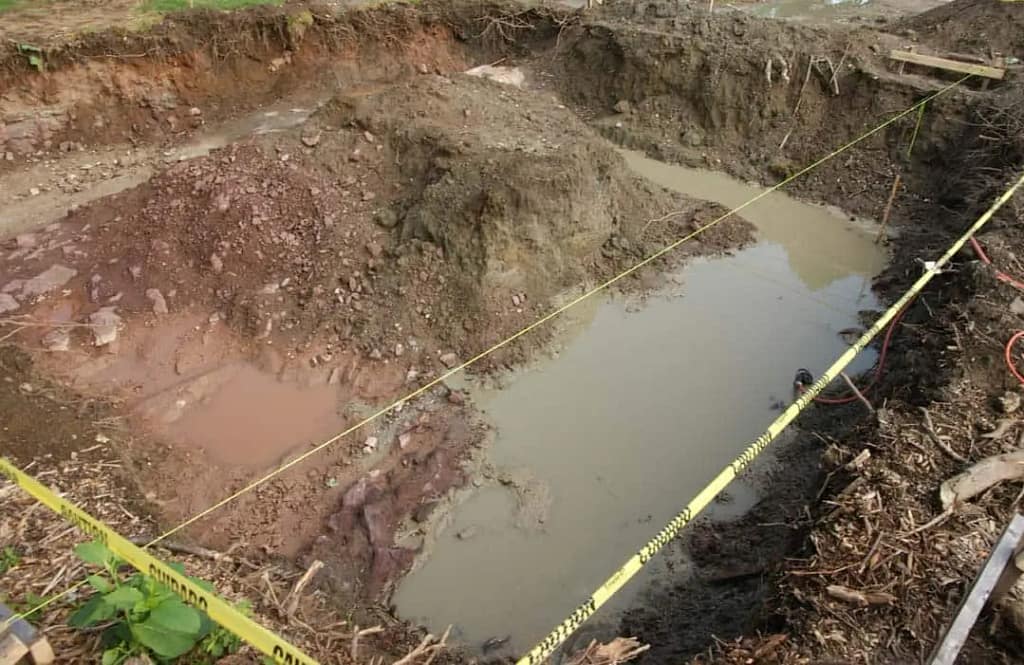
At BuildAcre, we often face these questions on-site. The good news is reassuring — in most cases, water seepage during foundation work is normal and fully manageable when handled correctly.
Why Does Water Appear During Foundation Excavation?
Water seepage doesn’t happen at every site, but it can occur depending on land and soil conditions such as:
- Low-lying plots
- Moisture-retaining soil
- Areas that earlier had lakes, ponds, or water channels
- High groundwater levels
This is usually noticed during excavation or bed beam work
👉 Important to note: this does NOT mean your land is weak or unsafe.
Could This Have Been Identified Earlier?
Yes, often it can.
A soil test before construction helps identify groundwater presence early and allows better planning. That said, even if soil testing wasn’t done, there’s no cause for concern. Once excavation begins, the issue becomes visible and can be handled immediately — without affecting the building’s safety or durability.
How BuildAcre Handles Water Seepage (Step by Step)
When water is encountered, we don’t panic. We follow a tested, engineering-backed process.
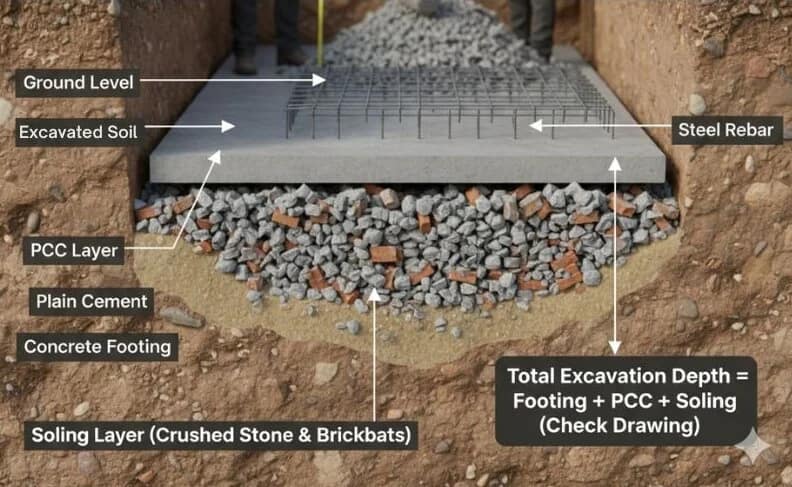
Step 1: Dewatering
All accumulated water is removed using motor pumps, giving a clean and dry working surface.
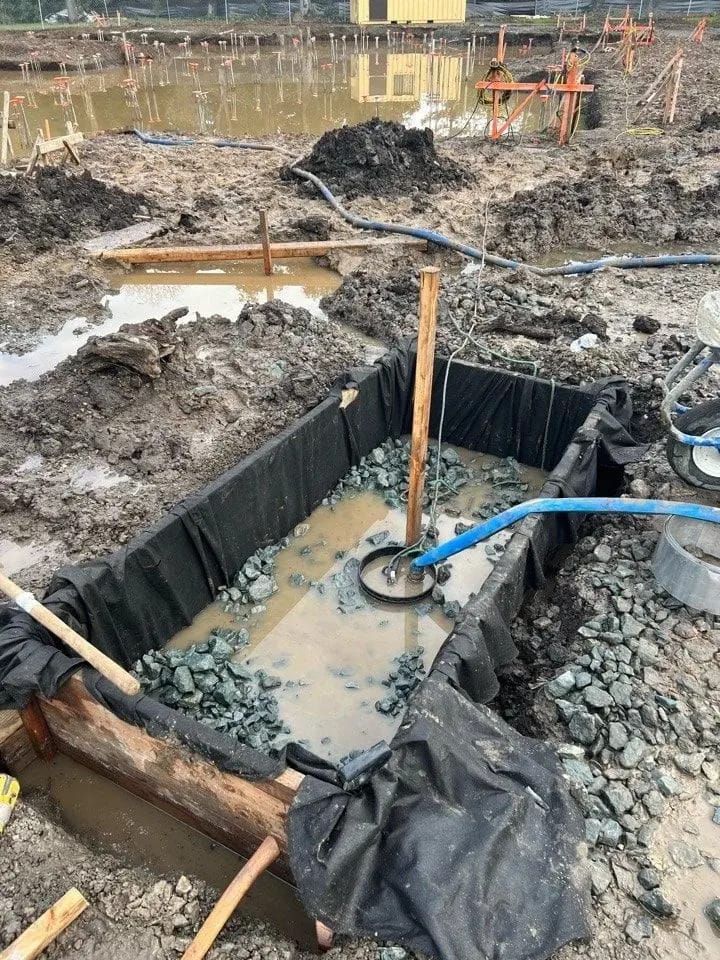
Step 2: Soling Layer
We lay and compact hard rubble stones/aggregates (above 40 mm size) to create a strong, stable base.
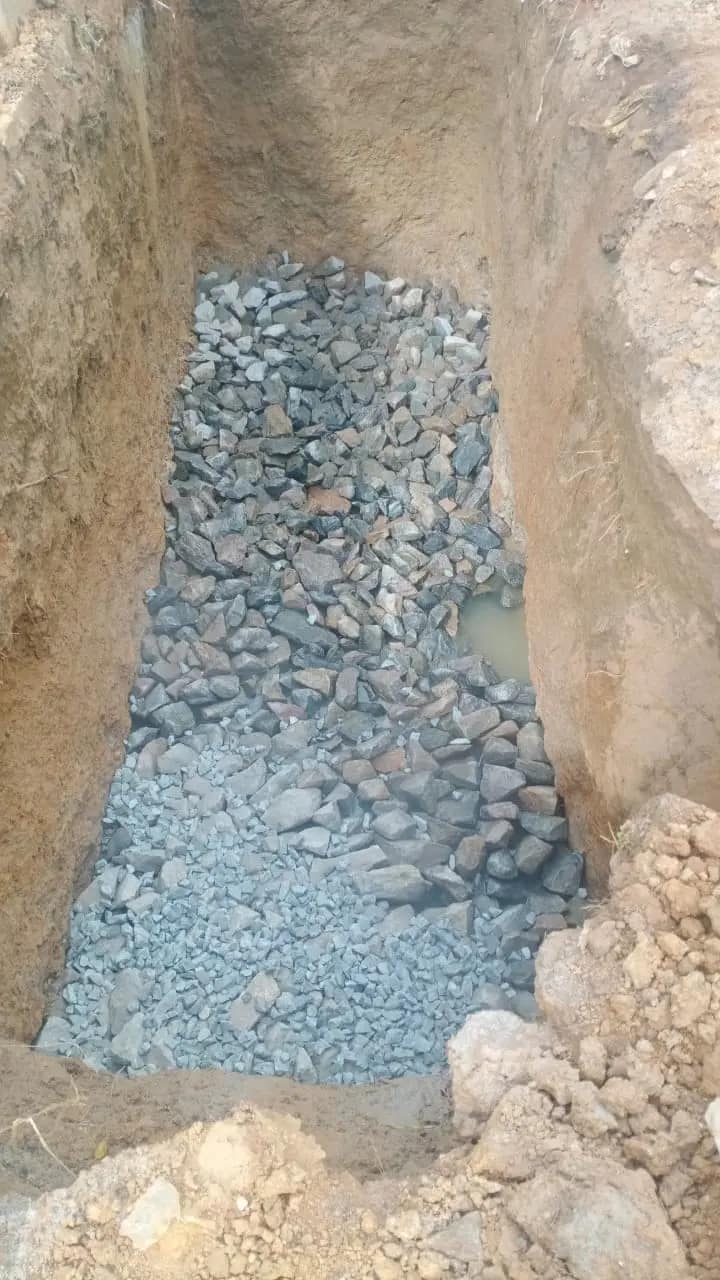
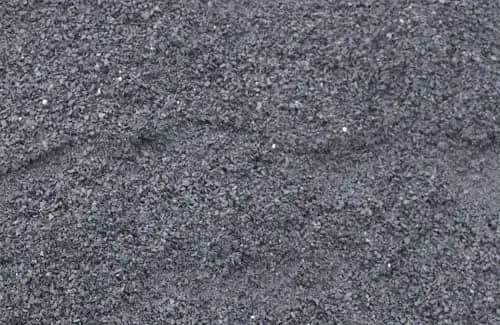
Step 3: Sand / Quarry Dust Layer
A layer of M-sand or quarry dust (150–200 mm thick) is added for proper leveling and stability.
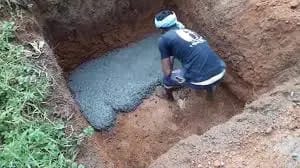
Step 4: PCC Layer
Finally, a minimum 150 mm thick PCC (Plain Cement Concrete) layer is laid, forming a solid foundation base.
Each layer is checked for thickness, compaction, and quality.
Will This Affect the Strength of My House?
No — when done the right way.
With proper dewatering, soling, and PCC work:
- Foundation strength remains intact
- No spreading or settlement occurs
- The structure stays safe and long-lasting
Water during excavation is not a failure — it’s simply a site condition that needs professional handling.
BuildAcre’s Way of Working
Every plot behaves differently. That’s why we ensure:
- Careful assessment of soil and groundwater conditions
- Site-specific construction methods
- Strict quality and thickness control at every stage
What looks alarming to homeowners is often a routine situation for experienced engineers.
Final Words for Homeowners
Water seepage during foundation work may look worrying — but it is not a reason to stop construction or panic.
With the right methods like dewatering and soling, and proper engineering supervision, the issue is resolved safely and permanently.
If you’re planning to build your home and have concerns about soil or foundation conditions, BuildAcre is here to guide you — clearly, honestly, and at every step.
Still curious how this looks on site? Watch our Instagram reel to see the soling process in action.